In some school districts, students have constant access to the digital media world. It is now common for a school district to provide devices for each of their students or for a school district to have a BYOD (bring your own device) policy. Scheibe & Rogow write about the importance to follow through on guidance and supporting students in using technology for educational purposes. “Otherwise students are likely to use those technologies to play and socialize and perhaps even get themselves into some trouble...”

This week, I experienced a “teacher first,” that made me even more aware how important it is to model and teach appropriate behavior when using technology. I noticed some students weren’t making as much progress in their online math curriculum as their peers. I made sure to keep an eye on these students, checking in to see if they needed help and even using the ability to “drop in” on their screen to see if they were actually completing the curriculum. I was baffled why they weren’t making any progress. It looked as though they were always doing the right thing.
I decided to look into it a bit more and opened up some students history on their iPad. And there it was….. tons of google searches show up on the screen as I scroll through the history. Google searches of puppy dogs, different foods, local attractions, Disney World, etc. I saw these students were sneaky about their searches, keeping more than one tab open to be able to switch back to the curriculum page in an instant. … Had they outsmarted me?!
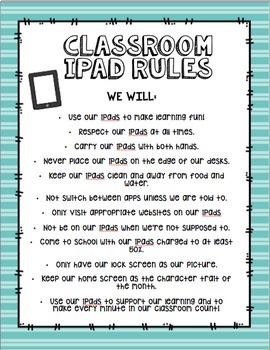
I decided to look through more students iPads and realized I had made a mistake along the way. About half the class’ internet history showed that they had spent their time not on task, but on google searches and games. I knew I would need to address the class and go back to the basics about our classroom iPad rules. We discussed the rules again, like we did in the beginning of the year. This time I asked students to share if they have been able to follow through with them, or if there were some they struggled with. To my surprise, a few students were honest, mentioning it was hard to not use apps that they like whenever they want to.
I took this moment as teachable and made sure to readdress expectations and show students how I expected them to act – ethically and responsibly. I let the students know that I had checked their iPads and wiped their history. I set up reminders to go through this topic again and discuss digital citizenship more frequently. I see how this is an example of how media can challenge the thought that the teacher is the sole expert in the room. When it comes to teaching media literacy and digital citizenship, I am no expert. I decided to research some review lessons and important topics to discuss and keep relevant in morning/weekly discussions. If I am not guiding my students on how to be a good digital citizen then I cannot expect them to just be one.
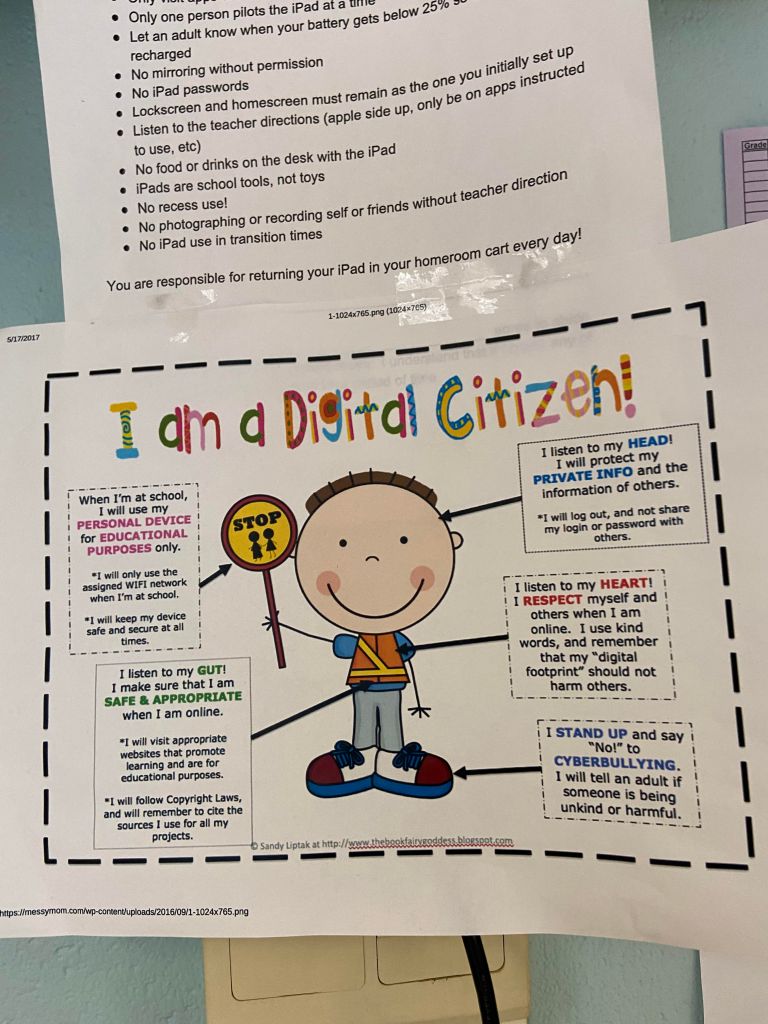
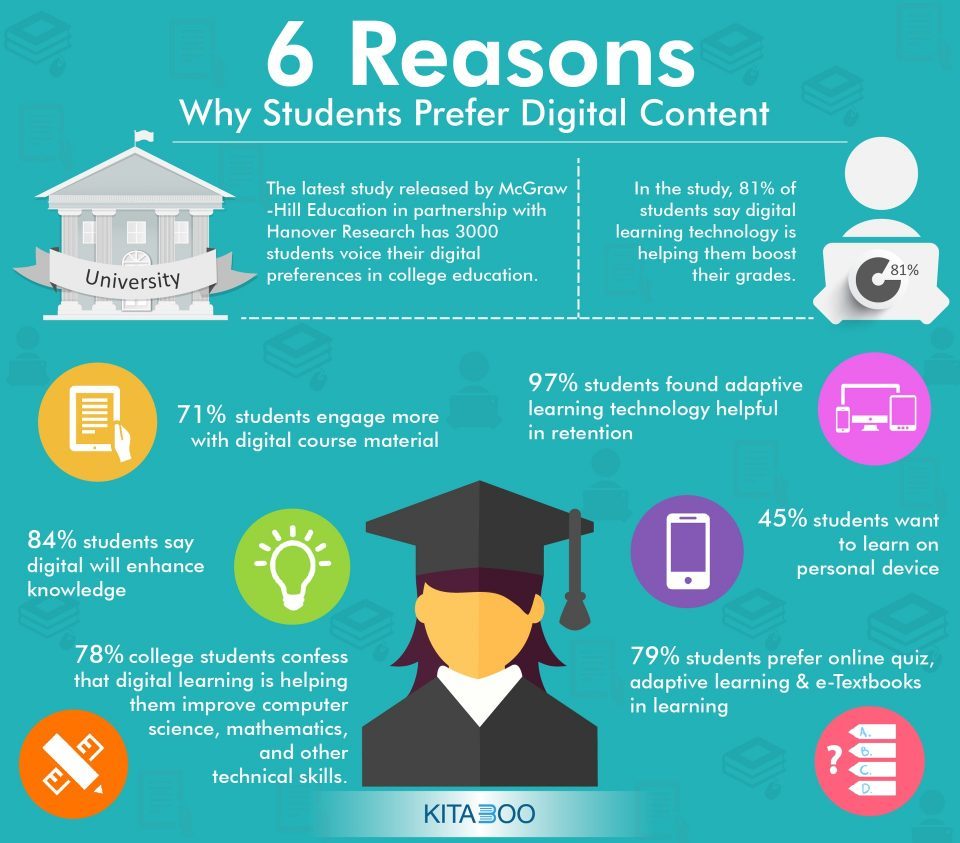
I found this really great print out that I decided to hang up as well and encouraged students to look over and reflect on their own actions.
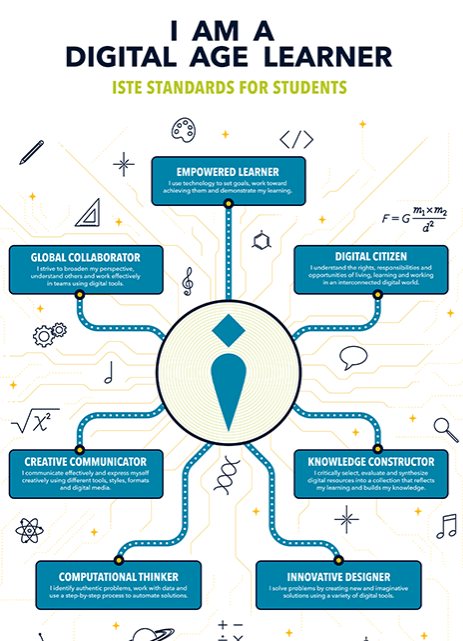
Additional Resources
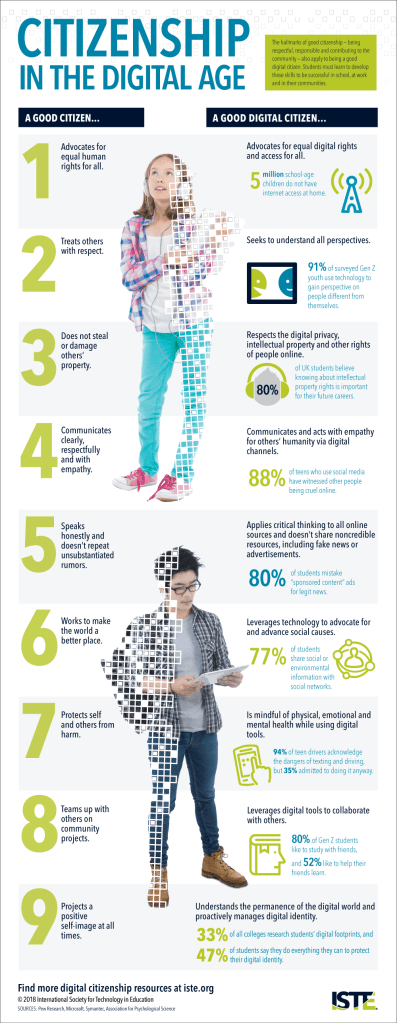
http://blog.kathyschrock.net/ –After reading this weeks chapter, I looked up the mentioned educators and found I really enjoyed reading Kathy Schrock’s blog. A favorite post of mine is “Fake News: Fact or Opinion” where she shares this great graphic from ISTE titled “Citizenship in the Digital Age.”
https://www.ipads4teaching.net/ — This website has some incredible resources, especially related to iPads in the classroom
https://www.letterschool.org/7-reasons-why-ipads-in-schools-are-very-useful/ — I found this to be a helpful article about all the good that can come from using technology in the classroom
https://www.kathyschrock.net/ — Kathy Schrock has all kinds of resources available and this site is worth taking a look at
Question
My question for you all is sort of complex, depending on your own thoughts – I am wondering how you provide that gradual release to be able to trust your students again after something like this has happened? How can I incorporate a daily check in about this? I can imagine they felt a sense of invasion to their privacy, like i felt slightly taken advantage of. Would you too feel as though it was your fault, not enough teaching or pre-teaching about media has happened?
Sources
- Scheibe, C., & Rogow, F. (2012). The Teacher’s Guide to Media Literacy: Critical Thinking in a Multimedia World. Corwin: Thousand Oaks, CA
- (2018). Retrieved from https://www.iste.org/explore/Digital-citizenship/Infographic%3A-Citizenship-in-the-digital-age?articleid=192
- (2019). Retrieved from https://iste.org/standards/for-students
 Becoming Mrs. Edwards